The Kremlin | Tsardom of Russia, Late 15th & 16th Centuries
As the territory of the Spanish Empire was growing exponentially during the 16th century so too was that of Russia. Modelled on the Byzantine emperors to the south, after 14 years as the grand prince of Moscow, Ivan the IV—more commonly known as Ivan the Terrible—declared himself Tsar of all of Russia and ushered in a centralised Russian state known as the Tsardom of Russia. This state would expand at a rate of 35,000 square km per year until the establishment of the Russian Empire in 1721.
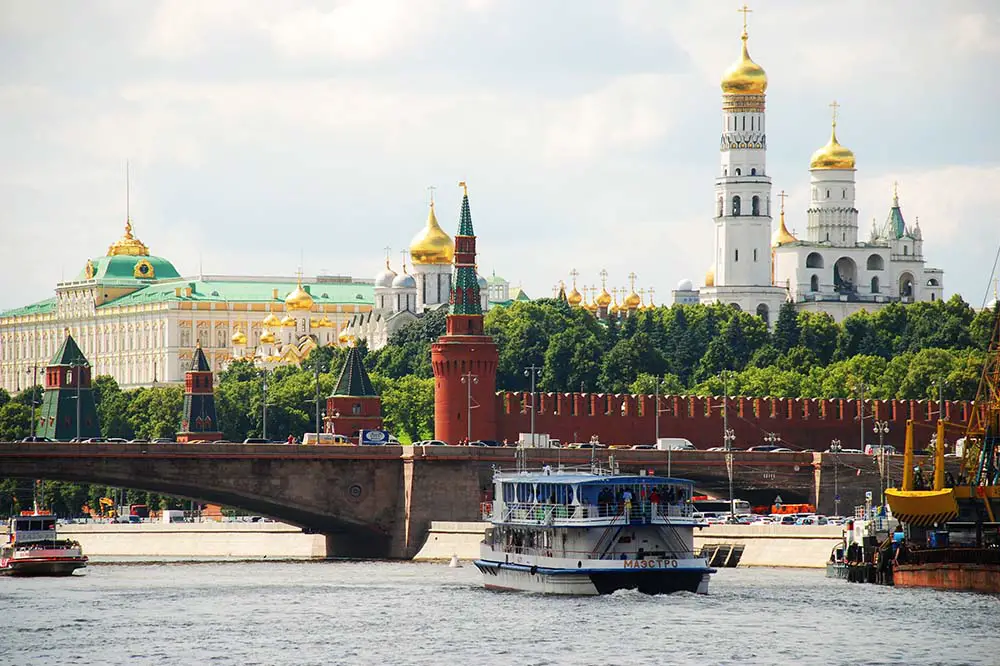

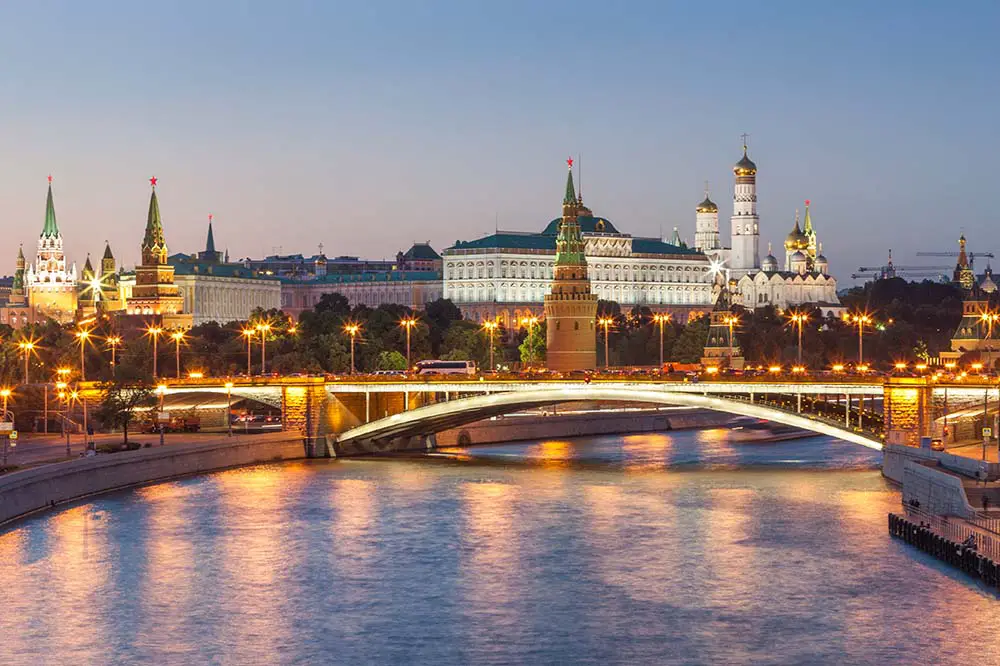
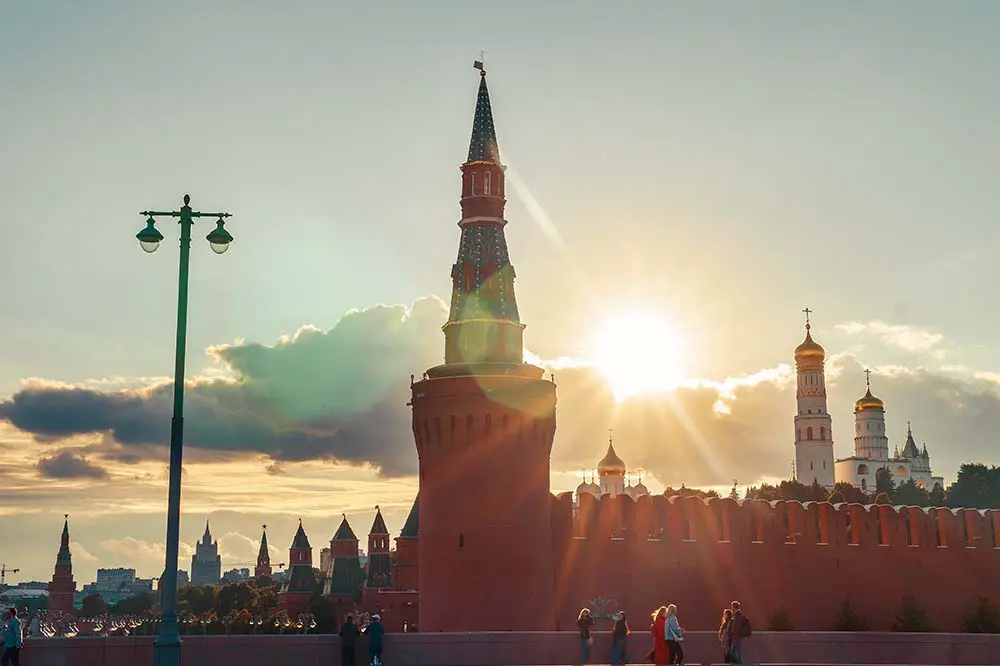
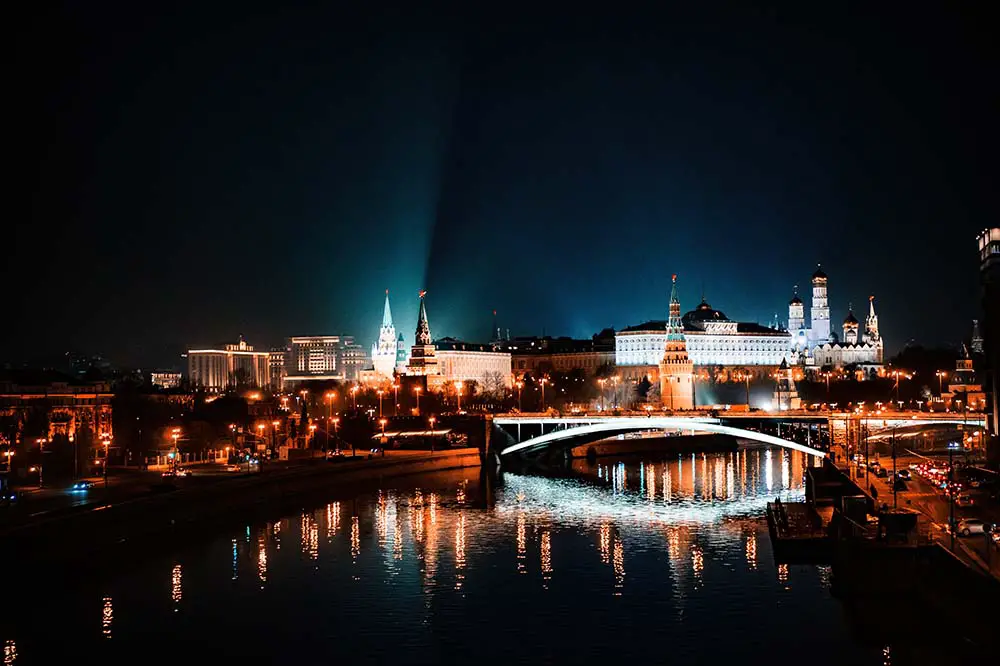
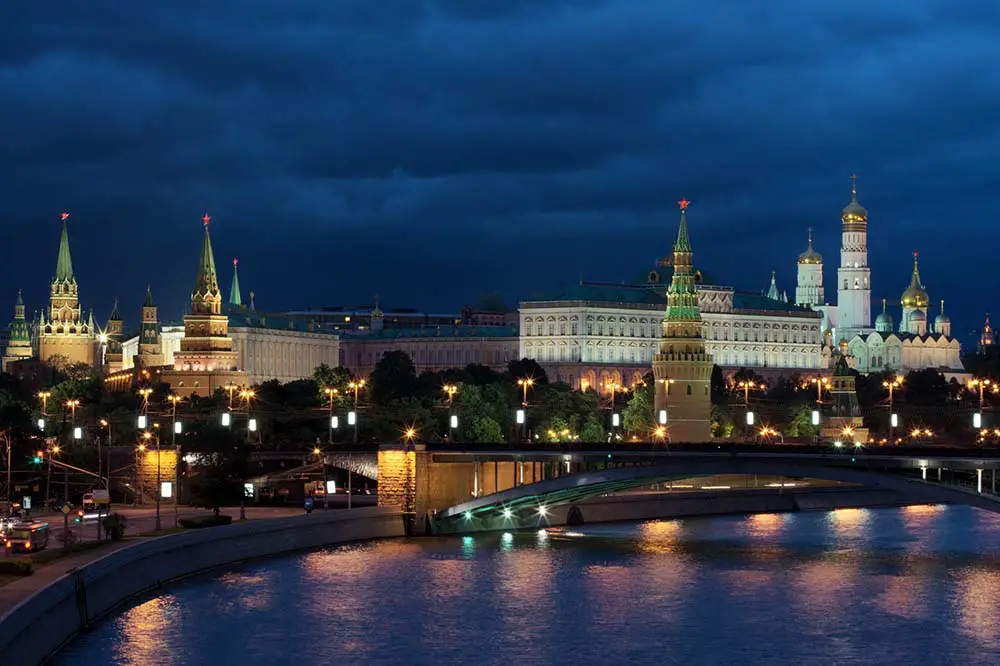
Left: Lena15 from Pixabay & Right: Robert Pastryk from Pixabay
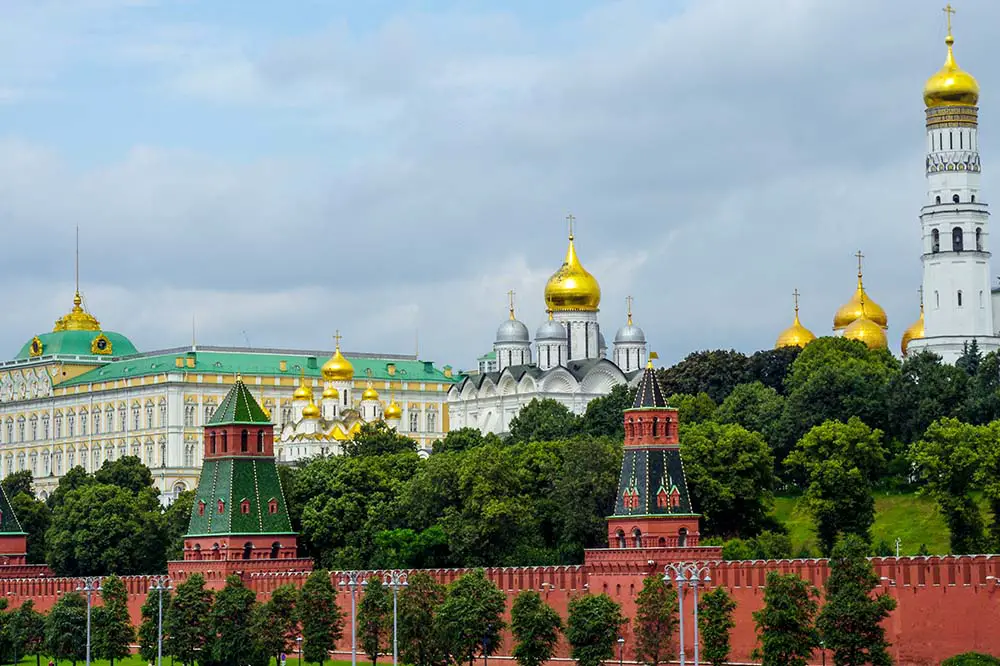
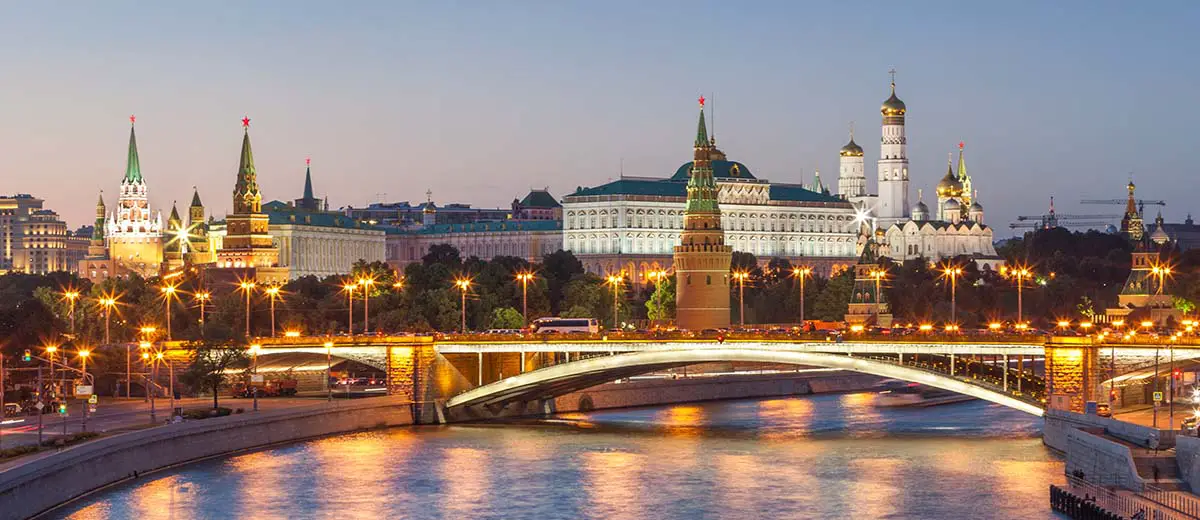
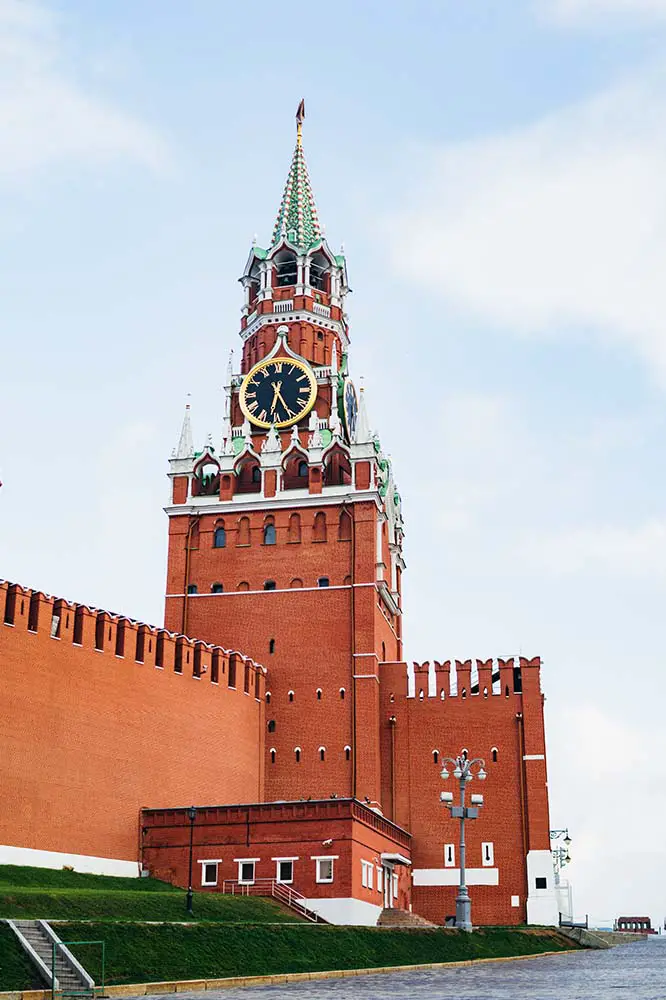
The Kremlin is a fortified complex in Russia’s capital, Moscow, it was completed in 1495 and its beautiful red-brick towered walls encircle several palaces and cathedrals. The most impressive of all of the Kremlin’s palaces, the Grand Kremlin Palace was finished in 1849 and is the official residence of the Russian President. The Kremlin sits on the north bank of the Moskva River just east of several other well-known Russian landmarks: Red Square and the Cathedral of Vasily the Blessed, more commonly known as St Basil’s Cathedral.
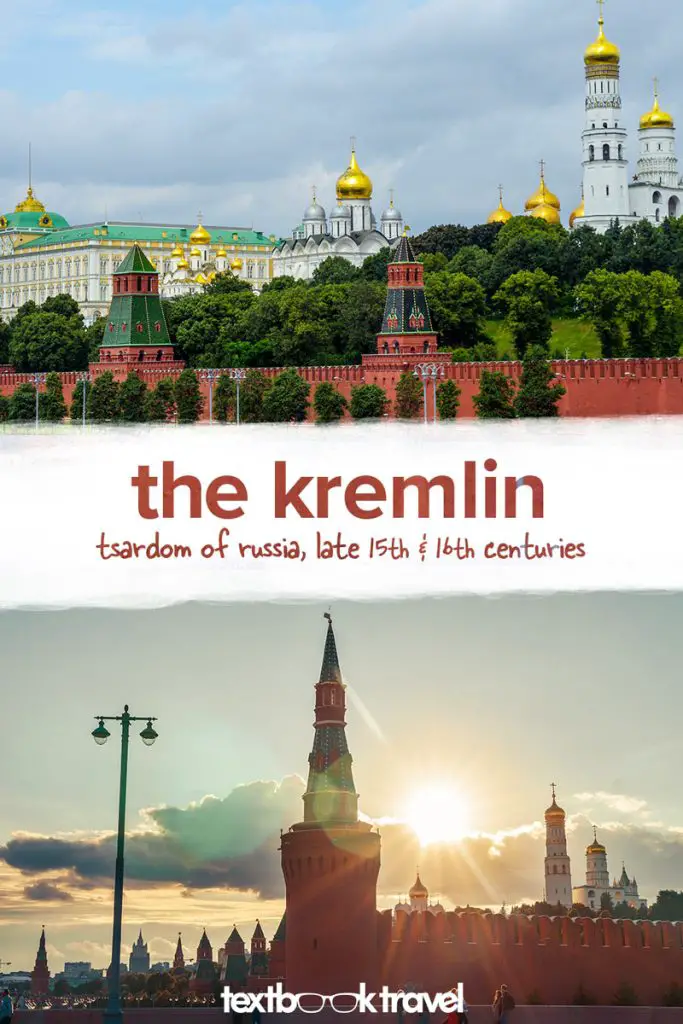

Excuse me! Are you on Pinterest?! Here are a couple of pins! Right: Step Svetlana from Pixabay
Gallery
This post is part of an expanded series taken from 37 Wonders of the World in Chronological Order. You can click the link to read more or navigate between individual photo posts beneath the gallery.

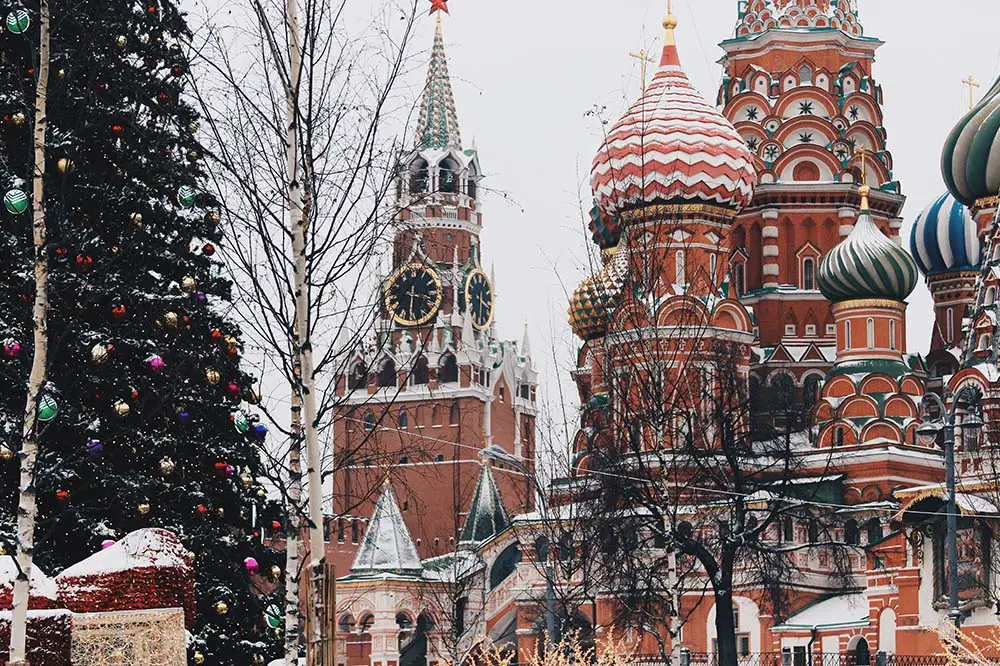
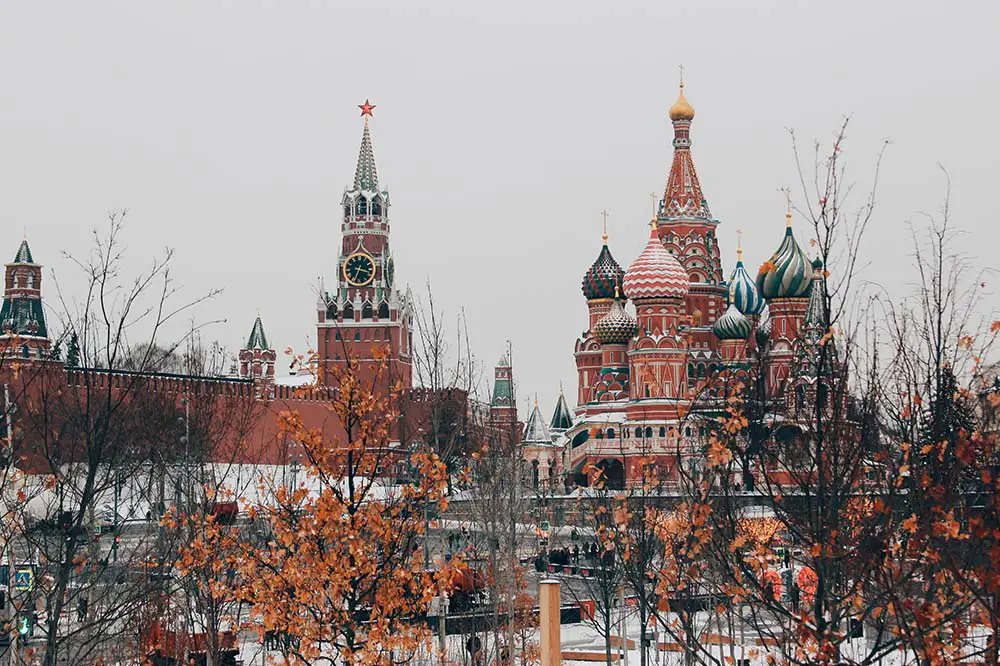


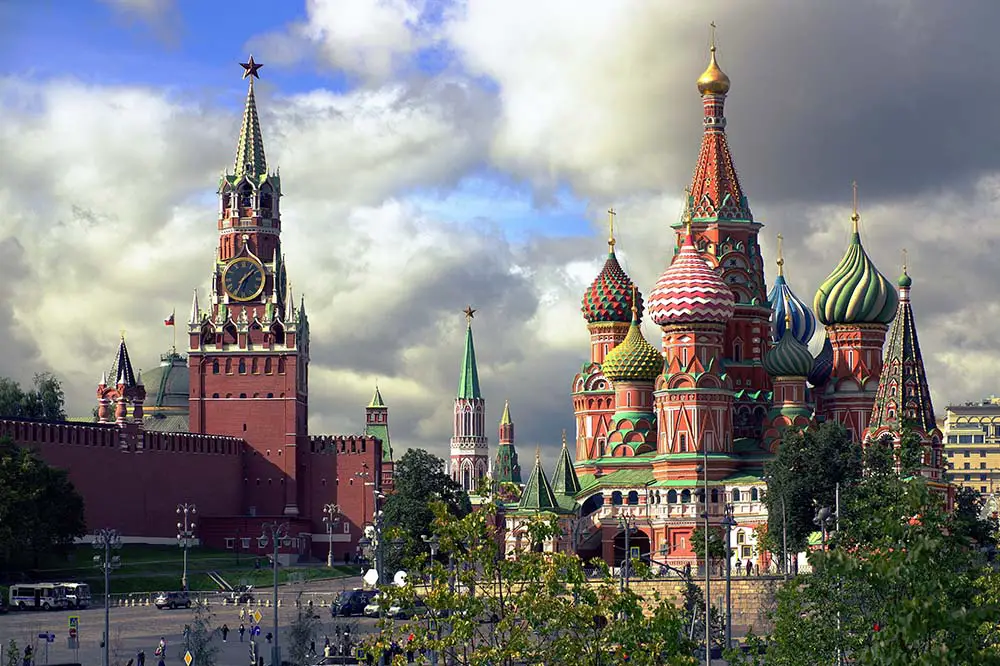

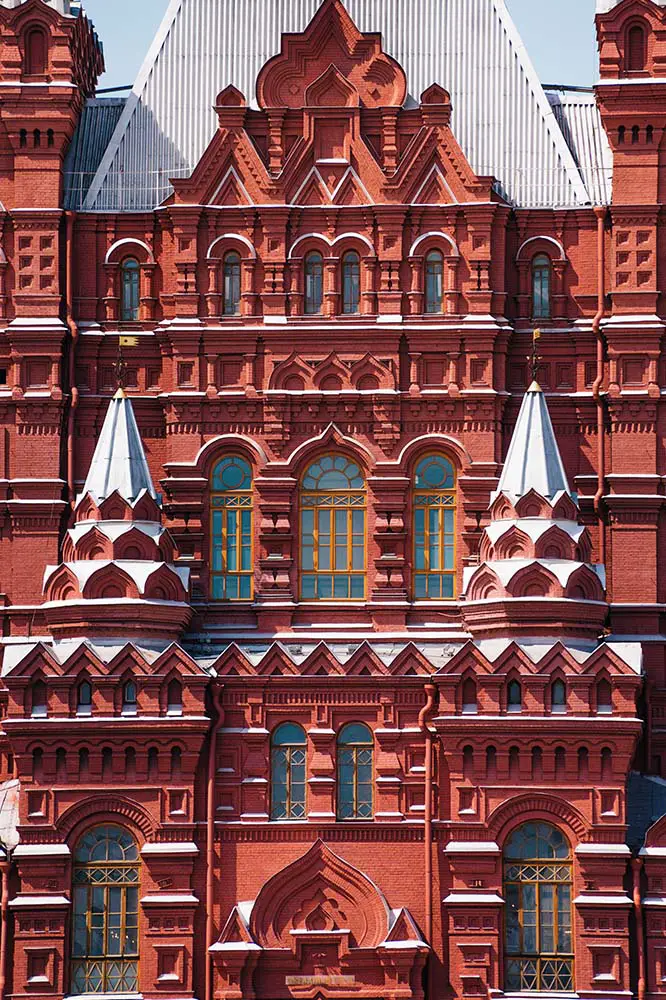
Left: Refargotohp on Unsplash & Right: Olia Nayda on Unsplash